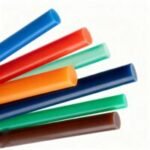
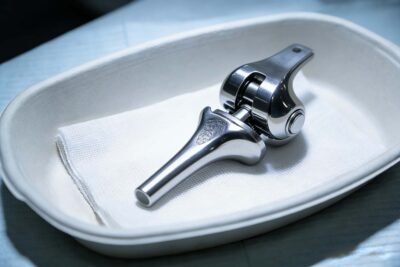
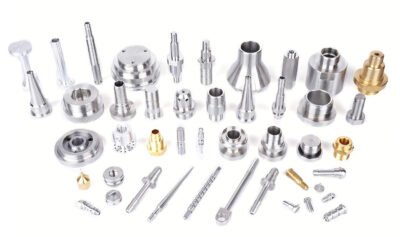
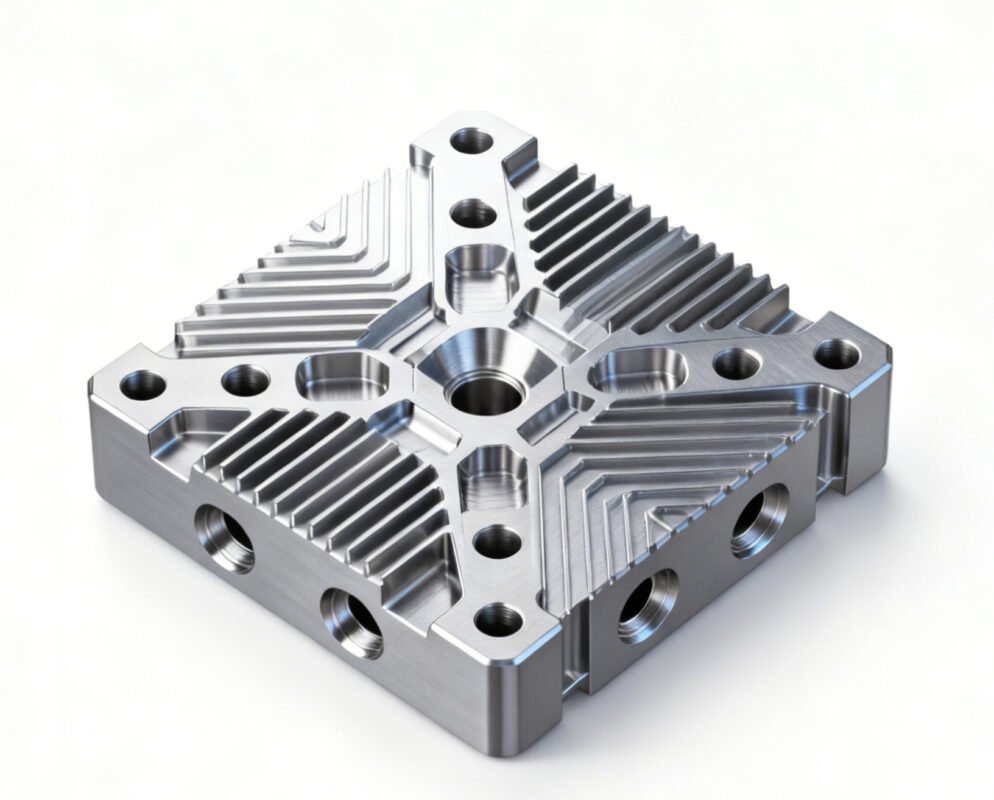
Plastics have become indispensable materials in modern manufacturing, valued for their lightweight properties, cost-effectiveness, chemical resistance, and versatility. From high-precision medical components to durable automotive parts and consumer electronics enclosures, plastic parts play a critical role in diverse industries. CNC (Computer Numerical Control) machining has emerged as a preferred method for producing plastic components, offering unparalleled precision, repeatability, and the ability to fabricate complex geometries that injection molding or other processes struggle to achieve—especially for low to medium production volumes.
In this comprehensive guide, we will explore all key aspects of CNC plastic machining: from the unique properties of engineering plastics and common material types to essential machining tips, core advantages, and real-world applications. Whether you’re an engineer selecting materials for a new project, a purchaser sourcing precision plastic parts, or a manufacturer optimizing your machining processes, this article provides actionable insights to help you succeed with CNC plastic machining.
Key Properties of Plastics for CNC Machining
Unlike metals, plastics exhibit distinct physical and mechanical characteristics that directly influence CNC machining strategies. Understanding these properties is critical to avoiding common pitfalls (such as melting, warping, or poor surface finish) and ensuring high-quality results:
Low Thermal Conductivity: Most plastics conduct heat poorly, meaning heat generated during machining tends to accumulate in the cutting zone. This can cause plastic to soften, melt, or warp—especially thermoplastics, which have low melting points.
Low Hardness & Abrasion Resistance: Plastics are generally softer than metals, making them easier to cut but also prone to surface damage (e.g., scratches, burrs) if machining parameters are not optimized. Some filled plastics (e.g., glass-fiber reinforced types) are more abrasive and can wear tools quickly.
Ductility & Elasticity: Many plastics are ductile and elastic, which can lead to "springback" during machining—where the material bends under cutting force and rebounds after the tool passes, resulting in dimensional inaccuracies.
Chemical Sensitivity: Certain plastics (e.g., PVC, POM) can be sensitive to cutting fluids or coolants, which may cause chemical reactions, surface discoloration, or material degradation.
Varied Density & Machinability: Plastic densities range from lightweight (e.g., PP, PE) to high-density (e.g., PEEK, PI), and machinability varies significantly between types—from easily machined ABS to challenging high-performance plastics like PTFE.
Common Plastic Materials for CNC Machining
Not all plastics are suitable for CNC machining. Below are the most widely used engineering plastics in CNC applications, along with their key characteristics, machining considerations, and typical uses:
1. ABS (Acrylonitrile Butadiene Styrene)
ABS is one of the most popular plastics for CNC machining, thanks to its excellent balance of strength, ductility, and machinability. It is a thermoplastic with good impact resistance and dimensional stability, making it ideal for a wide range of applications.
CNC Machining Notes: Easy to machine with standard tools; low cutting forces required. Use sharp tools to avoid chipping; minimal coolant needed (air cooling is often sufficient). Typical Applications: Consumer electronics enclosures, automotive interior parts, toys, medical device housings, and industrial fixtures.
2. POM (Polyoxymethylene / Acetal)
POM (also known as acetal) is a high-performance thermoplastic with excellent mechanical properties, including high strength, stiffness, and wear resistance. It has low friction and good dimensional stability, even in wet environments.
CNC Machining Notes: Machinable but prone to melting if heat accumulates; use high cutting speeds, low feed rates, and adequate cooling (preferably air or minimal coolant to avoid chemical reactions). Sharp tools with positive rake angles are recommended. Typical Applications: Gears, bearings, bushings, valves, pumps, and precision mechanical components.
3. PEEK (Polyether Ether Ketone)
PEEK is a high-temperature, high-performance thermoplastic renowned for its exceptional strength, chemical resistance, and biocompatibility. It can withstand continuous use at temperatures up to 260°C (500°F) and is resistant to most chemicals, making it ideal for harsh environments.
CNC Machining Notes: Challenging to machine due to high melting point and abrasiveness; requires carbide tools, low cutting speeds, high feed rates, and compressed air cooling (avoid liquid coolants that may degrade the material). Rigid fixturing is critical to prevent vibration. Typical Applications: Aerospace components, medical implants (e.g., spinal implants, dental parts), oil and gas equipment, and high-temperature industrial parts.
4. PP (Polypropylene)
PP is a lightweight, flexible thermoplastic with excellent chemical resistance and low cost. It has good impact resistance (especially copolymer PP) and is resistant to moisture, making it suitable for applications requiring corrosion resistance.
CNC Machining Notes: Soft and ductile, prone to melting and springback; use sharp tools, high cutting speeds, and low feed rates. Air cooling is preferred; avoid excessive clamping force to prevent deformation. Typical Applications: Chemical tanks, food packaging machinery parts, automotive bumpers, and medical device components (e.g., syringes).
5. PVC (Polyvinyl Chloride)
PVC is a versatile, cost-effective thermoplastic available in rigid and flexible forms. Rigid PVC offers good strength and chemical resistance, while flexible PVC is used for applications requiring elasticity.
CNC Machining Notes: Machinable but releases toxic fumes (hydrogen chloride) when heated; ensure proper ventilation. Use sharp tools, low cutting speeds, and minimal coolant (avoid oil-based coolants that may react with PVC). Typical Applications: Pipe fittings, electrical enclosures, automotive parts, and medical tubing (flexible PVC).
6. PTFE (Polytetrafluoroethylene / Teflon)
PTFE (commonly known as Teflon) is a unique thermoplastic with exceptional non-stick properties, chemical resistance (resistant to almost all chemicals), and high-temperature resistance. It has very low friction but is soft and ductile, making machining challenging.
CNC Machining Notes: Difficult to machine due to softness and elasticity; use sharp tools with negative rake angles, low cutting speeds, and high feed rates. Compressed air cooling is recommended; rigid fixturing is essential to prevent movement. Typical Applications: Seals, gaskets, bearings, chemical processing equipment, and non-stick components.
Essential Tips for Successful CNC Plastic Machining
CNC plastic machining requires specific strategies to address the material’s unique properties (e.g., heat sensitivity, elasticity). Below are critical tips to optimize your machining processes and achieve high-quality results:
1. Choose the Right Cutting Tools
Tool Material: Use high-speed steel (HSS) or carbide tools. HSS is suitable for easily machined plastics (e.g., ABS, PP), while carbide tools are preferred for abrasive or high-performance plastics (e.g., PEEK, glass-filled plastics) due to their superior wear resistance.
Tool Geometry: Select tools with sharp cutting edges, positive rake angles, and large chip breakers. Sharp edges reduce cutting force and heat generation, while positive rake angles minimize material compression and springback. For ductile plastics (e.g., PTFE), use tools with slightly negative rake angles to prevent tearing.
2. Optimize Cutting Parameters
Cutting parameters (speed, feed rate, depth of cut) vary significantly between plastic types. The key is to balance speed and feed to minimize heat generation and avoid melting or warping. Below are general guidelines for common plastics:
Plastic Material | Cutting Speed (m/min) | Feed Rate (mm/rev) | Depth of Cut (mm) |
|---|
ABS | 150-300 | 0.10-0.25 | 1-3 |
POM | 100-250 | 0.08-0.20 | 1-2 |
PEEK | 50-150 | 0.05-0.15 | 0.5-1.5 |
PP | 120-280 | 0.10-0.22 | 1-3 |
PTFE | 80-200 | 0.06-0.18 | 0.5-2 |
3. Use Proper Cooling & Lubrication
Cooling is critical to prevent plastic from melting or warping, but not all plastics require liquid coolants. Follow these guidelines:
Air Cooling: Preferred for most plastics (e.g., ABS, POM, PEEK, PTFE) as it avoids chemical reactions and surface contamination. Compressed air effectively removes heat and flushes away chips.
Liquid Coolants: Use only for abrasive plastics (e.g., glass-filled nylon) or high-volume machining. Choose water-based or synthetic coolants that are compatible with the plastic (avoid oil-based coolants for PVC, POM, or PTFE).
4. Ensure Rigid Fixturing & Minimize Clamping Force
Plastics are prone to deformation under excessive clamping force, so use fixturing that distributes pressure evenly (e.g., vacuum chucks, soft-jaw collets, or rubber-coated clamps). For thin-walled or flexible parts, use support tools (e.g., backers, steady rests) to prevent deflection during machining. Ensure the fixturing is rigid to minimize vibration, which can cause poor surface finish or dimensional inaccuracies.
5. Prioritize Chip Evacuation
Plastic chips are often soft and can clog the cutting zone, leading to heat buildup, tool damage, or poor surface finish. Ensure effective chip evacuation by:
Using tools with large chip breakers to break chips into small, manageable pieces;
Directing air or coolant flow to flush chips away from the cutting area;
Optimizing toolpaths to avoid chip accumulation (e.g., using climb milling instead of conventional milling for some plastics).
6. Minimize Heat Generation
Heat is the biggest enemy of CNC plastic machining. In addition to proper cooling and cutting parameters, minimize heat by:
Using sharp tools (dull tools generate more friction and heat);
Avoiding prolonged tool contact with the material (optimize toolpaths to reduce cutting time);
Using light to moderate depths of cut with multiple passes instead of heavy single passes (reduces heat buildup in the material).
Advantages of CNC Machining for Plastic Parts
CNC machining offers several key advantages over other plastic manufacturing processes (e.g., injection molding, 3D printing) for many applications:
1. High Precision & Dimensional Consistency
CNC machining achieves tight tolerances (down to ±0.005mm for most plastics, and ±0.001mm for high-performance plastics like PEEK) and consistent part quality across batches. This is critical for precision applications such as medical devices, aerospace components, and electronics.
2. Versatility for Complex Geometries
Multi-axis CNC machines (3-axis, 4-axis, 5-axis) can machine complex plastic components—such as intricate cavities, thin-walled structures, and precision threads—that are difficult or impossible to produce with injection molding (which requires expensive molds) or 3D printing (which has lower precision and surface finish).
3. Cost-Effective for Low to Medium Volumes
Unlike injection molding, which requires high upfront costs for mold development, CNC machining has minimal setup costs. This makes it ideal for low-volume production (1-1000 parts) or prototyping, where the cost of molds cannot be justified. It also supports high-mix, low-volume production efficiently.
4. Fast Turnaround Times
CNC machining has quick setup times (typically a few hours to a day) compared to injection molding (which can take weeks to months for mold development). This enables fast prototyping, rapid iteration, and quick response to customer demands—critical for new product development (NPD) and time-sensitive projects.
5. Wide Material Compatibility
CNC machining can process almost all engineering plastics, including high-performance materials (e.g., PEEK, PI) that are difficult to process with other methods. This flexibility allows manufacturers to select the optimal material for the application’s requirements (e.g., chemical resistance, high temperature, biocompatibility).
6. Superior Surface Finish
CNC machining produces smooth surface finishes (Ra ≤ 0.1μm for precision machining) on plastic parts, eliminating the need for additional polishing or finishing processes in most cases. This is important for applications where surface quality affects performance (e.g., seals, gaskets) or aesthetics (e.g., consumer electronics).
Top Applications of CNC-Machined Plastic Parts
CNC-machined plastic parts are used in a wide range of industries, leveraging their unique properties (lightweight, corrosion resistance, precision) to solve specific engineering challenges. Below are key application areas:
1. Medical Devices
Biocompatible plastics (e.g., PEEK, PP, ABS) are used to produce medical components such as surgical tools, implantable devices (spinal implants, dental parts), diagnostic equipment enclosures, and syringe components. CNC machining ensures these parts meet strict medical standards (ISO 13485) for precision and biocompatibility.
2. Aerospace & Defense
Lightweight, high-temperature resistant plastics (e.g., PEEK, PI) are used in aerospace components such as cabin interiors, electrical enclosures, seals, and gaskets. CNC machining produces parts that meet strict aerospace standards (AS9100) for precision and reliability, while reducing the overall weight of the aircraft (improving fuel efficiency).
3. Electronics & Consumer Goods
Plastics like ABS, POM, and PP are used to produce electronics enclosures (smartphones, laptops), keyboard components, connectors, and consumer product parts (toys, appliances). CNC machining ensures these parts have precise fits, smooth surfaces, and consistent aesthetics.
4. Automotive Industry
CNC-machined plastic parts are used in automotive interiors (dashboard components, door panels), exterior parts (bumpers, mirror housings), and under-the-hood components (valves, gaskets, fuel system parts). Plastics reduce vehicle weight, improving fuel efficiency, and offer good chemical resistance to oils and fluids.
5. Industrial Equipment
Chemical-resistant and wear-resistant plastics (e.g., PTFE, POM, PVC) are used in industrial equipment such as seals, gaskets, bearings, valves, and chemical processing tanks. CNC machining ensures these parts can withstand harsh industrial environments (high temperatures, corrosive chemicals) and maintain dimensional stability over time.
Choose the Right CNC Plastic Machining Partner
While CNC plastic machining offers many advantages, achieving consistent precision and quality requires expertise in material selection, tooling, and process optimization. Plastic’s unique properties (heat sensitivity, elasticity) demand specialized knowledge to avoid common pitfalls and ensure parts meet design requirements.
At Zomwave, we specialize in CNC plastic machining, with extensive experience processing all common engineering plastics—from easily machined ABS to challenging high-performance materials like PEEK and PTFE. Our state-of-the-art multi-axis CNC machines, strict quality control system (ISO 9001/AS9100/ISO 13485 certified), and team of skilled engineers ensure precise, efficient, and cost-effective production of plastic parts for medical, aerospace, electronics, and automotive clients.
Upload your plastic part’s 2D/3D drawings today, and our engineers will provide a free process evaluation, optimized machining solution, and accurate quotation within 24 hours. Let’s bring your precision plastic component ideas to life!