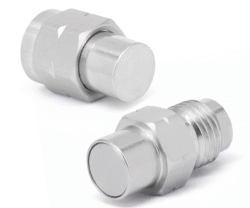
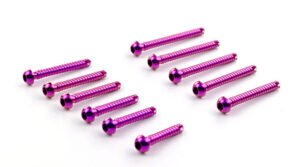
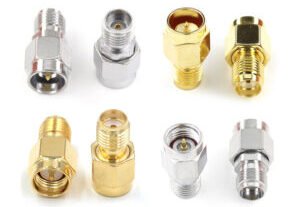
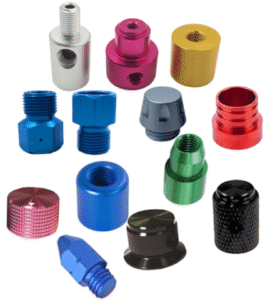
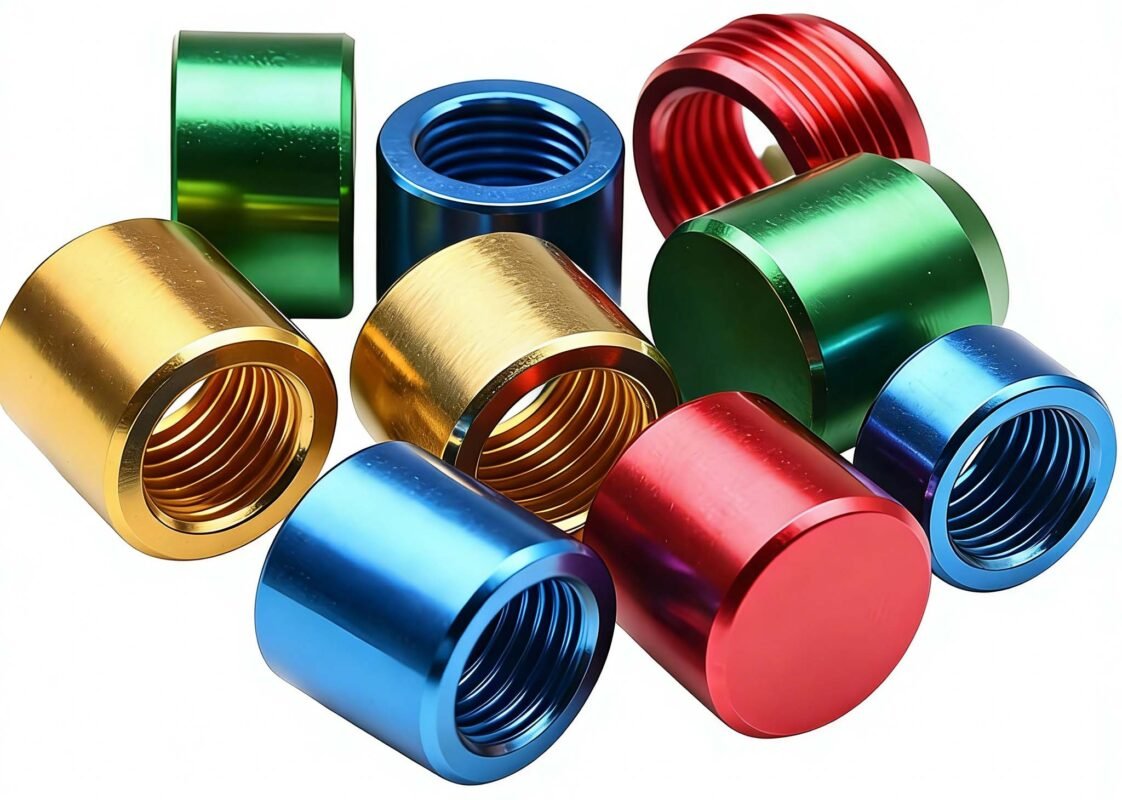
CNC precision machining lays the foundation for high-accuracy, complex metal components across industries, but the journey to optimal performance and longevity typically concludes with critical post-processing: surface finishing. Encompassing a range of techniques—including anodizing, electroplating, spray coating, and precision grinding—surface finishing enhances the inherent properties of CNC-machined parts, addressing gaps in corrosion resistance, wear resistance, functionality, and aesthetics. This blog explores the holistic role of surface finishing in complementing CNC precision machining, core benefits of key processes, critical integration considerations, industry applications, and rigorous quality assurance standards.
Why Surface Finishing Is Indispensable After CNC Precision Machining
While CNC precision machining ensures geometric accuracy and dimensional stability, base materials (aluminum, steel, copper, engineering plastics) often lack the performance attributes required for harsh or high-demand end-use environments. Surface finishing complements CNC machining by tailoring surface properties, offering five core value propositions that expand component capabilities:
Superior Corrosion Resistance: All主流 (mainstream) surface finishing processes—from anodizing’s oxide barrier to electroplating’s metallic coating and spray coating’s seamless shield—protect against moisture, chemicals, salt spray, and environmental contaminants. This extends component service life by 3-10 times compared to unprocessed parts, critical for outdoor or industrial applications.
Enhanced Wear & Abrasion Resistance: Hard anodizing, hard chrome plating, and ceramic spray coatings significantly boost surface hardness (up to HV500+), safeguarding CNC-machined precision surfaces from scratches, friction, and repetitive motion wear—ideal for moving parts like gears, shafts, and robot joints.
Functional Customization: Surface finishing enables tailored properties: gold/silver plating for high electrical conductivity (electronics), anodizing for electrical insulation, PTFE-impregnated coatings for low friction, and thermal barrier spray coatings for high-temperature resistance (up to 1200°C). This expands the application scope of CNC-machined parts beyond base material limitations.
Preservation of CNC Precision: Advanced surface finishing processes deposit thin, uniform layers (0.1-100μm, depending on the process) that maintain the tight tolerances (±0.001mm) achieved by CNC machining. Precise process control ensures no geometric distortion or assembly fit issues.
Versatile Aesthetics & Branding: Processes like colored anodizing, decorative electroplating (chrome, gold), and spray coating offer diverse color, texture, and finish options (matte, glossy, metallic). This combines functional protection with visual appeal, supporting product differentiation in competitive markets.
Key Surface Finishing Processes for CNC Precision Machined Parts
Selecting the right surface finishing process depends on the CNC-machined base material, end-use requirements, and performance goals. Below are the most widely used processes, their characteristics, and ideal applications:
1. Anodizing
An electrolytic passivation process primarily used for aluminum CNC parts, forming a hard, porous oxide layer (5-100μm). Key variants include standard sulfuric acid anodizing (decorative/protective) and hard anodizing (wear-resistant). Core Advantages: Excellent corrosion resistance, enhanced surface hardness (HV300-HV500), and dyeable surfaces for aesthetics. Ideal For: Automotive aluminum components (wheel hubs, battery trays), electronic housings (smartphone middle frames), aerospace structural parts.
2. Electroplating
An electrolytic deposition process that coats parts with a thin metal layer (nickel, chrome, gold, silver, zinc). Tailors surface properties based on the plating material. Core Advantages: Versatile functionality (high conductivity from gold/silver, wear resistance from hard chrome, corrosion resistance from zinc), thin uniform layers (0.1-20μm). Ideal For: Electronic connectors (gold/silver plating), automotive moving parts (hard chrome plating), medical instruments (titanium nitride plating), industrial gears (nickel plating).
3. Spray Coating
A versatile process applying functional or decorative materials (powder, liquid paint, ceramic, UV-curable coatings) via spraying. Suitable for metals and plastics. Core Advantages: Comprehensive protection (corrosion/UV/chemical resistance), diverse aesthetics (colors/textures), tailored functionality (thermal barrier, insulation, low friction). Ideal For: Automotive exterior trim (powder coating), electronic housings (UV-curable coating), aerospace components (thermal barrier coating), industrial machinery (chemical-resistant coating).
4. Critical Integration Considerations for All Surface Finishing Processes
To maximize the benefits of surface finishing without compromising CNC precision, consistent process planning across all techniques is essential:
Pre-Finishing Surface Preparation: All CNC parts require thorough degreasing (remove machining oils) and cleaning (eliminate oxides/impurities). For ultra-precision parts, micro-deburring is critical. Ideal surface roughness (Ra 0.05-0.5μm) ensures coating/adhesion quality across processes.
Process-Substrate Compatibility: Match finishing processes to base materials (e.g., anodizing for aluminum, electroplating for steel/copper, spray coating for metals/plastics). Adjust parameters for alloy compositions (e.g., 7075 aluminum for hard anodizing, steel for zinc plating).
Dimensional Precision Control: Account for finish layer thickness during CNC machining. Pre-adjust dimensions (e.g., 20μm coating requires 40μm pre-machining reduction for a 20.000mm target diameter) to maintain tight tolerances.
Parameter Optimization: Precisely control process parameters (anodizing voltage/temperature, electroplating current density, spray coating pressure/curing conditions) to ensure uniform layers and consistent performance, especially for complex geometries.
Industry Applications of Finished CNC Precision Machined Parts
The combination of CNC precision machining and tailored surface finishing is integral to meeting industry-specific demands. Key applications by sector:
1. Automotive Industry
Representative Products: Aluminum alloy wheels (anodizing/spray coating), engine valves (hard chrome plating), NEV battery trays (anodizing/powder coating), electrical connectors (copper/nickel plating). Key Benefits: Corrosion resistance against road salt, wear resistance for moving parts, lightweight preservation, aesthetic consistency.
2. Electronics & Telecommunications
Representative Products: Smartphone housings (anodizing/UV-curable coating), 5G antenna components (conductive spray coating), connector pins (gold/silver plating), sensor housings (epoxy coating). Key Benefits: High conductivity, scratch resistance, electromagnetic shielding, insulation, aesthetic appeal.
3. Aerospace & Defense
Representative Products: Aircraft structural parts (anodizing), avionic housings (spray coating), hydraulic components (hard chrome plating), missile guidance parts (nickel plating). Key Benefits: Extreme corrosion resistance, high-temperature tolerance, wear resistance, low-visibility finishes for military applications.
4. Medical & Healthcare
Representative Products: Surgical instruments (titanium nitride plating), implantable components (electropolishing/anodizing), medical device housings (antibacterial spray coating), diagnostic equipment parts (biocompatible coating). Key Benefits: Biocompatibility, sterile compatibility, corrosion resistance, wear resistance, bacterial adhesion prevention.
5. Industrial Machinery & Robotics
Representative Products: Gear shafts (hard chrome plating), robot arm components (anodizing/spray coating), linear guide rails (wear-resistant coating), control panels (anti-static spray coating). Key Benefits: Abrasion resistance for repetitive motion, corrosion resistance in industrial environments, low friction, anti-static properties.
Quality Control & Standards for Finished CNC Precision Parts
Rigorous quality control ensures surface finishing enhances CNC-machined parts without compromising precision or performance. Key standards and testing methods span all processes:
Standards Compliance: Adherence to industry-specific standards: ISO 7599 (anodizing), ISO 4527 (zinc plating), ISO 12944 (spray coating), ASTM B117 (salt spray testing), IATF 16949 (automotive), and MIL-SPEC (aerospace/defense).
Finish Performance Testing: Layer thickness measurement (eddy current, X-ray fluorescence), adhesion testing (cross-cut, tape test), corrosion resistance (salt spray test ≥500-1000 hours), hardness testing (Vickers), and functional testing (conductivity, thermal resistance).
Dimensional Verification: Post-finishing inspection via CMM (Coordinate Measuring Machine) to confirm tolerances are maintained, ensuring assembly compatibility.
Surface Quality Inspection: Visual inspection for defects (pinholes, uneven layers, discoloration) and surface roughness measurement (Ra ≤0.05μm) to ensure consistent performance and aesthetics.
Conclusion
Surface finishing after CNC precision machining is a strategic, tailored enhancement that transforms high-accuracy components into high-performance, industry-ready products. Whether via anodizing, electroplating, spray coating, or other processes, the right finish addresses specific environmental, functional, and aesthetic needs—extending service life, improving reliability, and expanding application potential. As industries evolve toward more extreme operating conditions and advanced designs, the synergy between CNC precision machining and optimized surface finishing remains a cornerstone of modern manufacturing excellence.
For custom CNC precision machining and surface finishing solutions (anodizing, electroplating, spray coating, etc.) tailored to automotive, electronic, aerospace, medical, or industrial applications, we provide end-to-end services covering material selection, precision control, and process optimization. Contact us to discuss your project requirements.