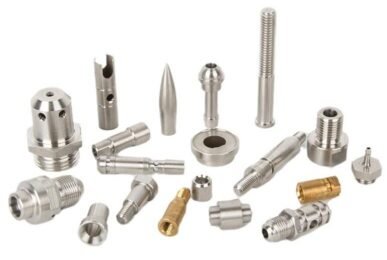
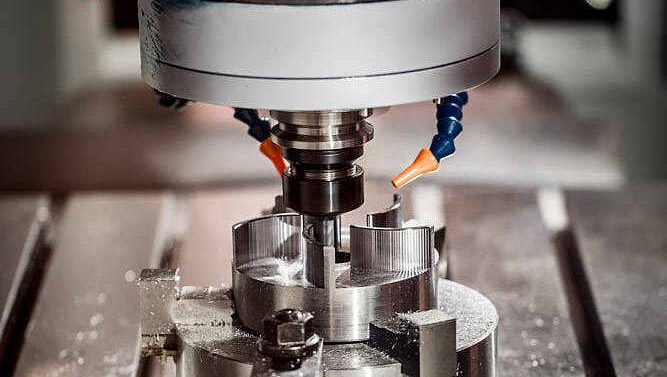
Precision is the core of CNC machining. However, after milling, turning, or drilling, machined parts typically contain residues—cutting fluids, metal chips, polishing compounds, and fine debris—that can affect assembly, surface quality, and even final performance.
Traditional cleaning methods, such as manual scrubbing, solvent soaking, or high-pressure spraying, are time-consuming, labor-intensive, and yield inconsistent results. As a superior alternative, ultrasonic cleaning stands out, providing fast, thorough, and non-destructive cleaning for CNC machined parts.
1. What is Ultrasonic Cleaning?
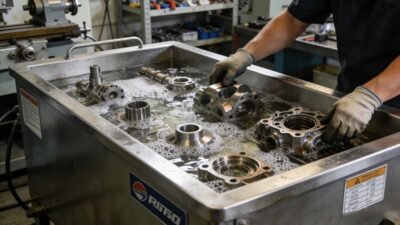
Ultrasonic cleaning is a non-contact cleaning process that uses high-frequency sound waves (usually 20-80 kHz) transmitted through a liquid medium to remove contaminants from the surfaces and cavities of machined parts.
The process relies on a phenomenon called cavitation—the formation and collapse of tiny bubbles in the cleaning fluid caused by alternating high and low-pressure sound waves.
When these bubbles implode, they generate localized shock waves and micro-jets that gently remove dirt, oil, and debris even from the most complex geometries without damaging the substrate.
2. Working Principle of the Ultrasonic Cleaning Process
The ultrasonic cleaning process typically consists of several steps to ensure thorough cleaning results:
Step 1: Pre-Cleaning
Before ultrasonic cleaning, compressed air or water washing is usually used to remove large debris or fragments to prevent contamination of the cleaning tank.
Step 2: Immersion in Cleaning Fluid
Parts are immersed in a specially formulated aqueous solution—this solution typically contains mild detergents, surfactants, and corrosion inhibitors. The composition of the solution depends on the material (aluminum, steel, titanium, or plastic) and the type of contaminants present.
Step 3: Ultrasonic Action (Cavitation)
The transducer of the cleaning tank emits ultrasonic waves, generating cavitation. These tiny implosions can thoroughly clean every exposed surface—even complex internal cavities or blind holes that are inaccessible to traditional cleaning methods.
Step 4: Rinsing
After cleaning, the parts are rinsed in clean water—usually in a secondary ultrasonic rinsing tank—to remove any residual detergent or loosened contaminants.
Step 5: Drying
Finally, the components are dried using an air blower, vacuum system, or low-temperature oven. Proper drying prevents water spots and corrosion, especially for metal components.
Why Ultrasonics is Critical for CNC Machined Parts
The unique challenges faced by CNC machined parts make them ideal candidates for ultrasonic cleaning.
1. Complex Geometries (Non-Line-of-Sight Cleaning)
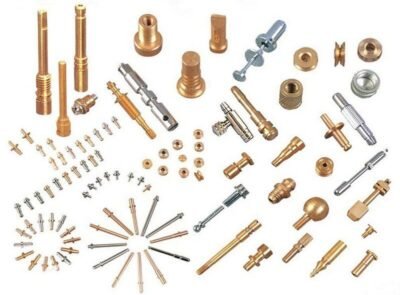
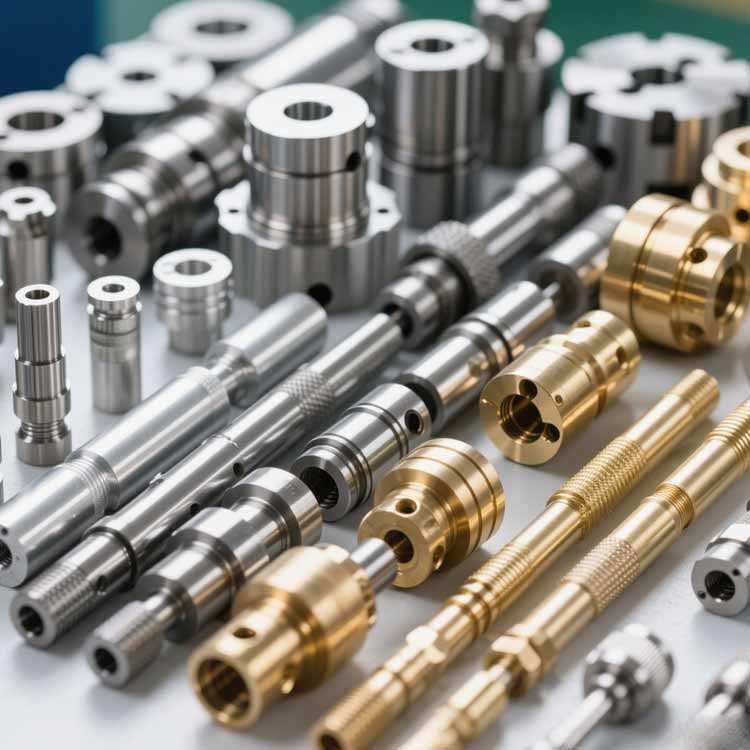
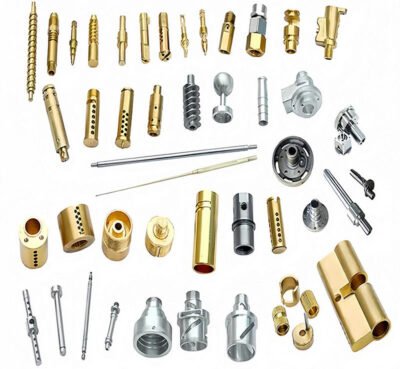
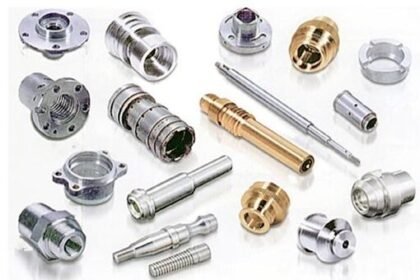
This is the most significant advantage. CNC machined parts are rarely simple flat surfaces. They feature:
Manual scrubbing or spray cleaning (both “line-of-sight” methods) simply cannot reach these internal complex structures. However, cavitation bubbles are extremely small and form everywhere the liquid comes into contact. They can penetrate the deepest blind holes and finest threads, thoroughly cleaning surfaces that other methods cannot reach.
2. Stubborn Contaminants
Specialized, hard-to-handle fluids are used during machining. Ultrasonic cleaning is highly effective at removing these fluids:
Cutting oils and coolants
Waxy rust inhibitors and lubricants
Polishing and grinding compounds
Fine metal fines and debris
Cavitation energy breaks the surface tension that adheres these soils to the components, thereby lifting them off.
3. Critical Preparation for Post-Processing
An absolutely clean surface is an indispensable prerequisite for almost all secondary finishing processes. Any residual oil stains or films can lead to serious adhesion failures. Ultrasonic cleaning is a crucial final step before subsequent processes such as:
Anodizing
Electroplating (e.g., nickel, chrome)
Powder coating and painting
Stainless steel passivation
Brazing or welding
4. Compliance with Strict Industry Standards
In industries such as medical, aerospace, hydraulic, and electronics, cleanliness is not only about quality of life but also a key factor ensuring safety and performance. A single metal particle in a hydraulic valve can cause system failure; a thin film of oil on a medical implant can trigger biological rejection. Ultrasonic cleaning can provide the verifiable and repeatable cleanliness (usually at the micro level) required by these industries.
Key Factors for a Successful Cleaning Process
Simply purchasing an ultrasonic cleaning machine is not enough. The key to success lies in controlling the entire process to balance the following four critical factors:
Chemistry (Solution):
“The cleaner is just as important as the machine.” Aqueous cleaning solutions must be specifically designed for the task at hand. It needs to be compatible with the material (e.g., non-corrosive buffered alkaline solutions for aluminum) and effectively remove specific soils (e.g., emulsifiers for heavy oils).
Temperature:
Heating is crucial. A warm water bath (usually 50-65°C / 120-150°F) reduces the viscosity of the cleaning fluid, breaks down oil faster, and improves the efficiency of cavitation.
Time:
Most cleaning cycles are 5-20 minutes. The required time depends on the stubbornness of the soil and the complexity of the parts.
Parts and Positioning:
Parts should never be placed directly on the bottom of the tank, as this will attenuate the ultrasonic waves. They should be suspended in a mesh basket. Additionally, do not overcrowd the basket; space is needed around the parts to allow the solution to flow through.
Best Practices for Ultrasonic Cleaning of CNC Parts
To maximize the benefits of ultrasonic cleaning in CNC machining production, follow these proven best practices:
Use specialized cleaners for different materials (avoid cross-contamination).
Regularly replace the cleaning fluid to maintain cleaning performance and prevent re-deposition of dirt.
Rinse thoroughly with deionized or distilled water to remove detergent residues.
Perform regular equipment maintenance—clean sensors, filters, and storage tanks.
Avoid stacking or nesting parts, as this will block ultrasonic waves.
If parts need to be stored after cleaning, add a corrosion inhibitor.
These measures help maintain quality consistency and extend the service life of both components and cleaning equipment.
Conclusion
In modern manufacturing, quality depends on precision, and precision extends to cleanliness. Ultrasonic cleaning is a crucial value-added process that bridges the gap between raw machining and the final reliable finished product. It is the only method that can reliably clean the complex geometries of today’s CNC machined parts, ensuring their performance in practical applications is as flawless as the dimensions in the inspection report.