Low-volume production is quietly emerging as a practical shortcut for startups to turn ideas into tangible products without depleting funds or indefinitely extending timelines.
Low-Volume Production Aligns with Startups’ Practical Operations
For a startup, the biggest challenge in the early stages of hardware R&D is often not the idea itself, but how to create the first batch of truly viable products without betting everything on large-scale production. Traditional mass production models prioritize quantity: tens of thousands of units, expensive steel molds, and long lead times. Once the design is finalized, modifications are slow and costly. If the market response is poor or the product requires major adjustments, you will pay a double price—losses in both money and time.
Low-volume production takes a different approach. It doesn’t force you to produce in large quantities; instead, it focuses on small-batch manufacturing, ranging from a few parts to several hundred units. You only need to obtain enough products to deliver to real users, test in real environments, and collect genuine feedback. This is exactly what most startups need: validation, not inventory piling up in warehouses.
At Zomwave, we communicate with entrepreneurs every week, and they all face the same problems: uncertain demand, evolving designs, and tight budgets. Through low-volume production, they don’t have to wait until everything is “perfect” to start producing parts. They can send early versions to beta customers, conduct internal testing, and showcase usable samples to investors. This allows for gradual accumulation of market recognition rather than a high-stakes, one-time large-scale launch.
Speed is another major advantage. Low-volume production and flexible processes mean we can convert CAD files into physical components faster than traditional mass production lines. Your team can complete the cycle of design, testing, adjustment, and iteration in short periods. In fast-evolving markets such as consumer electronics, mobile devices, or medical equipment, this iteration speed is often the key for first movers to stand out.
At Zomwave, our mission is to make low-volume production simple, accessible, and predictable—even for complex products. We understand that startups rarely transition seamlessly from prototyping to mass production in one step. Therefore, we won’t limit you to a single manufacturing method or force your project into a one-size-fits-all process. Instead, we start with your needs—geometry, materials, volume, and delivery timeline—and then build the most efficient combination of manufacturing methods around these requirements.
Flexible Manufacturing, End-to-End
-
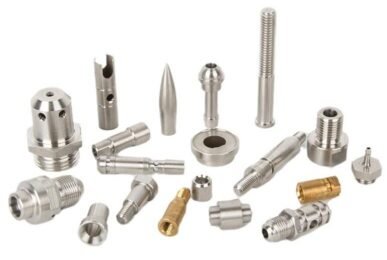
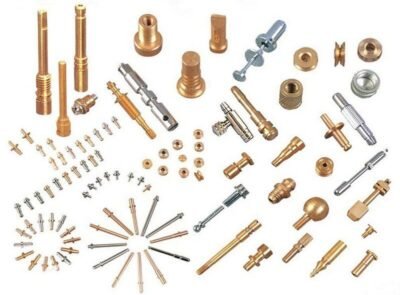
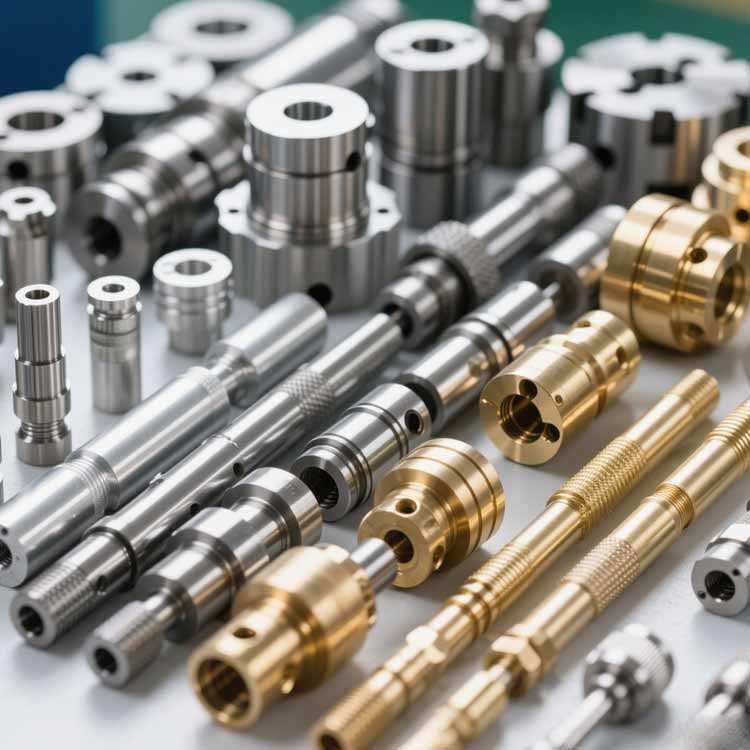
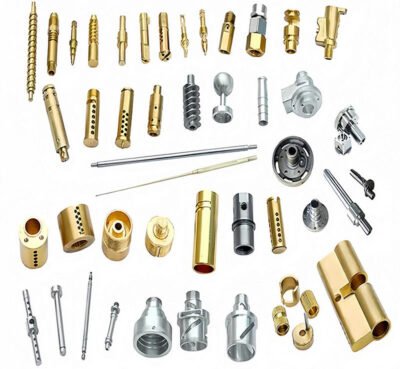
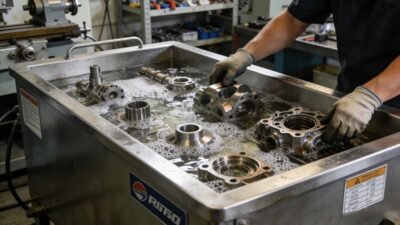
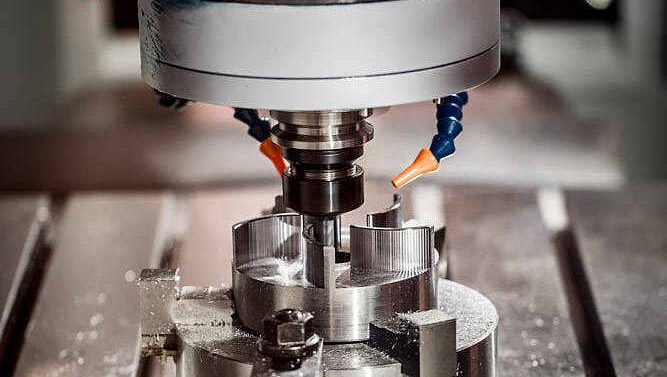
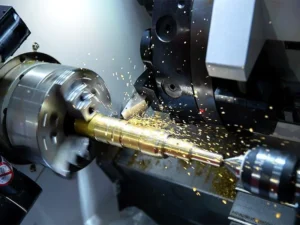
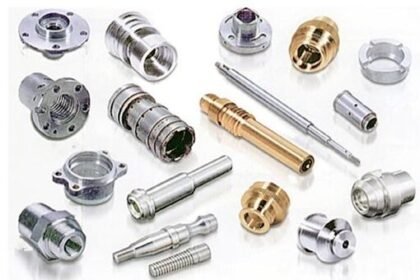
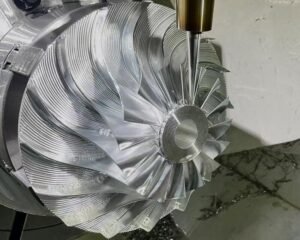
CNC machining for high-precision, high-strength metal and plastic parts
-
3D printing technology for rapid iteration, complex feature creation, and design validation
-
Vacuum casting for consistent low-volume plastic production
-
Low-volume injection molding for near-final designs requiring production-grade repeatable parts
The result: faster iteration in the early stages, risk control during design refinement, and a smooth transition to production-grade operations without disruptive process changes or costly redesigns.
We also recognize that cost control is critical. Investing in molds too early can kill a fledgling hardware project. With low-volume production, you can avoid large upfront mold costs before design validation. You can start with 3D printed or machined parts, then transition to soft molds or low-volume molds, and only invest in long-life steel molds when data and feedback are reliable.
Aesthetics are just as important as performance—especially during product promotion. Therefore, we offer surface finishing services designed to make low-volume parts look as good as final mass-produced products. We can provide painting, texturing, polishing, and other cosmetic processes to ensure your samples are perfect for trade shows, demo days, or photoshoots—not just lab testing.
Behind the scenes, we always keep the future in mind. When a batch of products is produced smoothly and demand starts to grow, founders often ask the same question: “Can we scale up?” Because we plan for this from the start, the transition from low-volume production to pilot production and then to mass production is controlled, not abrupt. We will work with you to adjust tolerances, materials, and processes, making scaling a natural next step rather than a brand-new project.
If you’re planning a new product and want more realistic expectations for volume, timeline, and materials, you can contact Zomwave for a low-volume production design assessment. We will work with you to explore what’s feasible now and what needs to be prepared for the next step.
What Startups Can Achieve with Low-Volume Production
Low-volume production is more than just “producing less.” For startups, it’s a strategic tool that supports different stages of the product lifecycle.
In the early R&D phase, low-volume production allows your engineering team to test with real parts. You can verify assembly steps, conduct durability or vibration tests, and observe how the product performs in real-world use. Since these parts are manufactured using real processes and materials, the insights gained are closer to what you’ll encounter in subsequent production. This means fewer surprises when scaling up.
For market validation, these low-volume products can be transformed into powerful sales and marketing assets. Instead of just presenting slides or renderings, your team can ship physical products to early users, launch small pilot programs, or provide rewards for crowdfunding campaigns. Feedback from these early users can help you decide what needs improvement, what to keep, and which features users truly care about.
-
Product Testing & Validation – Verify performance, assembly, and user experience before committing to full tooling.
-
Market & Investor Validation – Showcase production-like samples to customers, partners, and investors to build trust.
-
Bridge Production – Use low-volume production to fill gaps during the manufacturing and fine-tuning of mass production tooling.
-
Niche & Custom Products – Serve specialized or high-end markets where you’ll never need tens of thousands of units, but quality still must be high.
Different industries apply the same concept in their own ways. In consumer electronics, founders need to produce dozens or even hundreds of enclosures and internal parts to support beta testing and early shipments. Automotive and aerospace projects typically require low-volume, high-precision components to build prototype vehicles and pilot production fleets. Medical device teams rely on low-volume produced biocompatible or sterilizable parts to support clinical trials and collect structured user feedback. In all these cases, low-volume production effectively controls risks while accelerating learning and decision-making.
For Zomwave, success is not just about delivering parts—it’s about helping startups learn quickly, make confident decisions, and move toward mass production with full awareness.
Curious About What Low-Volume Production Can Do for Your Project?
Share your design files and goals with Zomwave, and we’ll help you select the right processes, volume, and timeline. Together, we can turn your concept into manufacturable parts and gradually build a clear path from the first prototype to full market launch—crafting an intelligent batch every step of the way.