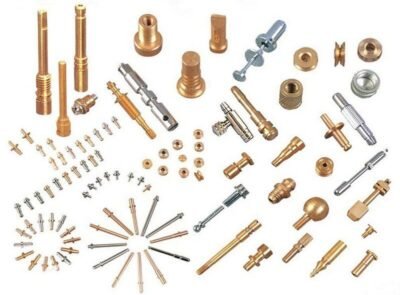
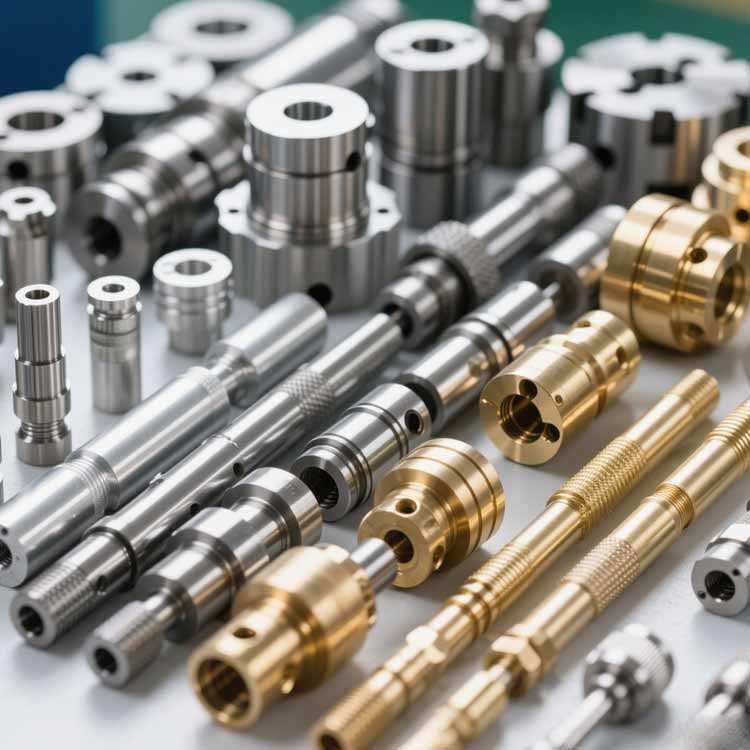
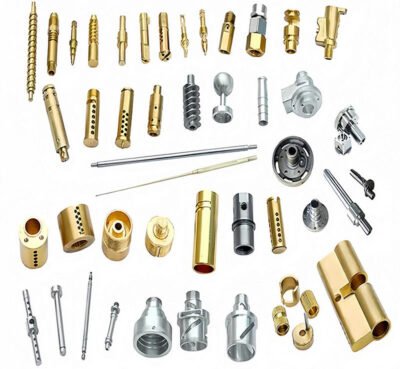
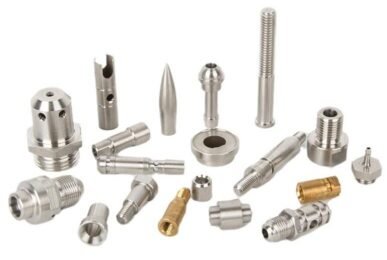
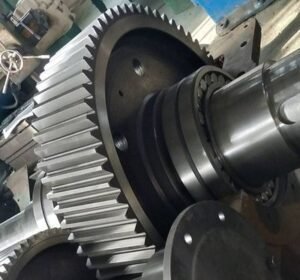
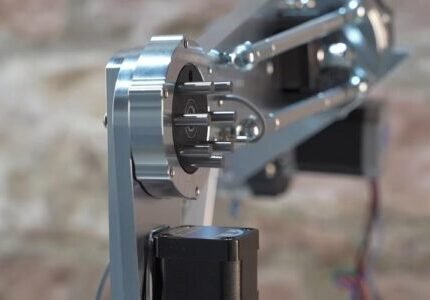
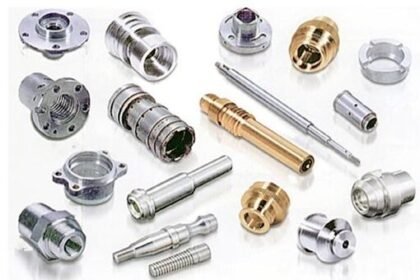
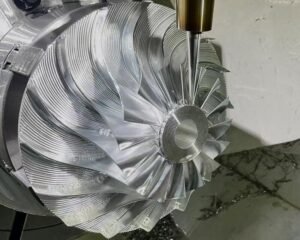
Non-standard parts are components specially manufactured by various industries to meet unique design and performance requirements. Unlike standard parts, these components are customized for specific applications, often featuring complex shapes or made from sophisticated materials. Their flexibility allows manufacturers to optimize product performance, reduce weight, and enhance durability. With the continuous development of various industries, driven by innovations in sectors such as automotive, aerospace, electronics, and consumer goods, the demand for such customized components continues to grow. Understanding the practical applications of these components helps stakeholders make informed decisions in design, procurement, and integration.
Five Major Uses of Non-Standard Parts
1. Custom Automotive Components
Automobile manufacturers are increasingly relying on non-standard parts to achieve customized vehicle functions, such as lightweight chassis components or complex brackets. These parts help manufacturers reduce vehicle weight, thereby improving fuel efficiency and lowering emissions. For example, electric vehicle manufacturers use custom battery enclosures to ensure optimal fit and heat dissipation performance. As automotive design becomes increasingly innovative, automakers are seeking customized solutions that standard parts cannot provide, making the application of non-standard parts more widespread. Ultimately, vehicle performance is enhanced, and they comply with continuously updated safety standards.
2. Aerospace Structural Components
The aerospace industry has extremely high requirements for high-precision, durable components needed for aircraft structures. Non-standard parts are widely used in complex fuselage panels, internal structural components, and engine brackets. They are invaluable as they can meet strict weight and strength standards. For example, aerospace companies use custom brackets to secure wiring harnesses, thereby reducing assembly time and weight. Driven by regulatory pressures and the need to save fuel, the trend toward lightweight and high-efficiency aviation fuels has promoted the application of non-standard parts. These components directly improve flight efficiency and safety.
3. Electronic Enclosures and Connectors
In the electronics industry, non-standard parts are crucial for manufacturing custom enclosures, connectors, and shielding components. They enable manufacturers to design compact, robust, and function-specific devices. For example, consumer electronics companies use custom metal frames to manufacture smartphones, ensuring durability while maintaining a slim profile. This practice is widely applied in industries with limited space and high performance requirements. Advantages include better electromagnetic shielding, a more attractive appearance, and a longer device service life.
4. Medical Device Components
Medical devices typically require specialized components that meet strict regulatory standards. Non-standard parts are widely used in surgical instruments, implantable medical devices, and diagnostic equipment. Their precision and biocompatibility are critical. For example, custom metal parts are used in Magnetic Resonance Imaging (MRI) equipment to provide shielding and structural support. Due to the growing demand for customized, reliable, and sterilizable components, the healthcare industry’s demand for such parts is also increasing. These components help improve device performance and patient safety.
5. Consumer Goods and Home Appliances
Many home appliances use non-standard parts for both aesthetics and functionality. Custom brackets, handles, and internal support structures are tailored to specific designs, thereby enhancing product appeal and durability. For example, high-end kitchen appliances use custom stamped metal panels to create a premium texture. Brands drive this practice in pursuit of differentiation and improved product quality. These parts enable manufacturers to meet unique design specifications while maintaining cost-effectiveness.
Integration Guide: How Non-Standard Parts Fit into Production
Integrating non-standard parts involves several steps. First, detailed design and prototyping are crucial to ensure their compatibility and functionality. The manufacturing process typically includes mold design, material selection, and precision machining. Adhering to industry standards (such as ISO, RoHS, or specific aerospace regulations) is essential. Ensuring traceability and regulatory compliance is critical, especially in aerospace and medical applications. Proper integration can reduce waste, shorten lead times, and improve product reliability.
These companies serve multiple industries, utilizing advanced processing technologies, automation, and quality management systems to meet customers’ complex business needs. This ecosystem is characterized by innovation, with many enterprises investing in research and development to develop new alloys, coatings, and process technologies.
Buyer’s Checklist: Questions to Ask Before Procurement
What are the specific design requirements? Clarify dimensions, tolerances, and material preferences to ensure the part meets functional needs.
What standards and certifications are required? Confirm compliance with industry regulations, such as ISO, RoHS, or aerospace standards, to avoid regulatory issues.
What is the lead time and production capacity? Understand the manufacturing timeline and scalability to align with project schedules.
What quality control measures does the company implement? Inquire about inspection processes, testing, and traceability to ensure stable quality.
What are the costs and payment terms? Evaluate the pricing structure, including mold fees, unit costs, and payment terms, to ensure alignment with the budget.
2026 Outlook: Trends, Barriers, and Opportunities
By 2026, non-standard parts are expected to play an even more important role in product innovation. Trends include increased automation, the application of advanced alloys, and integration with digital design tools. These developments will accelerate prototyping and improve precision. However, barriers such as high mold costs and complex regulatory compliance may slow their adoption, especially for small-scale manufacturers. Opportunities lie in expanding into emerging industries such as renewable energy and electric vehicles, which have significant demand for customized components. Adopting Industry 4.0 principles—such as IoT-enabled manufacturing—can further optimize processes and reduce costs.