
Blog
CNC Machining in the Medical Industry: Precision, Compliance, and Cutting-Edge Solutions

Related Posts
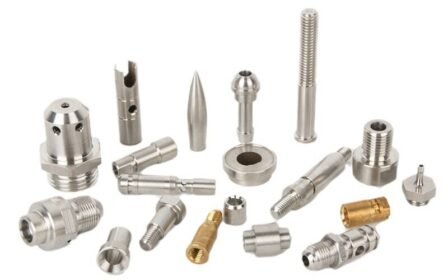
Applications of Non-Standard Parts in the Real World: 5 Practical Uses You’ll Actually See

Non-standard parts are components specially manufactured by various industries to meet unique design and performance requirements....
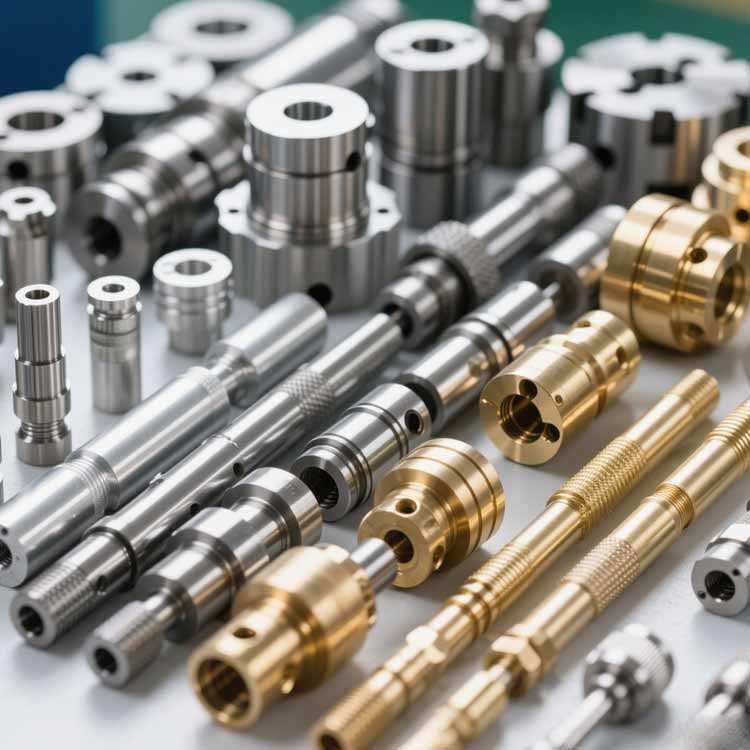
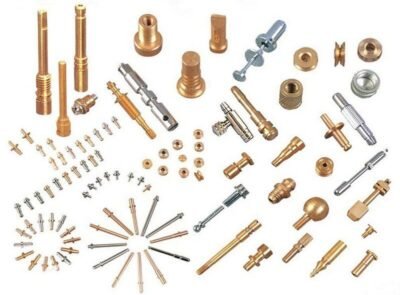
Standard Parts and Non-Standard Parts
Standard parts and non-standard parts are widely used terminology in the engineering and manufacturing sector.Standard parts refer...
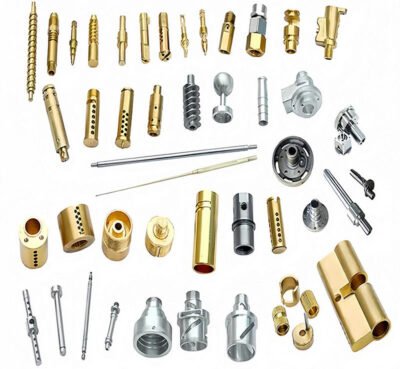
CustomNon-Standard Precision Turned Components | Global Industry-Oriented OEM/ODM Solutions
As a seasoned manufacturer specializing in custom non-standard precision turned components, we deeply cultivate the global market ...
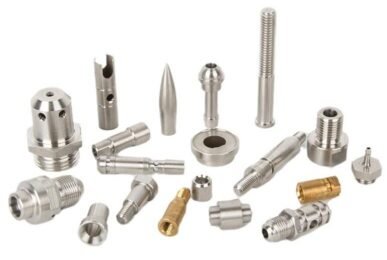
Low-Volume Production Benefits Startups
Low-volume production is quietly emerging as a practical shortcut for startups to turn ideas into tangible products without deplet...
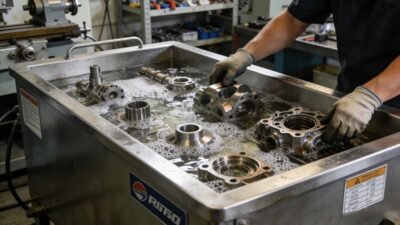
Precision Cleaning: The Critical Role of Ultrasonics in CNC Machined Parts
Precision is the core of CNC machining. However, after milling, turning, or drilling, machined parts typically contain residues—cu...
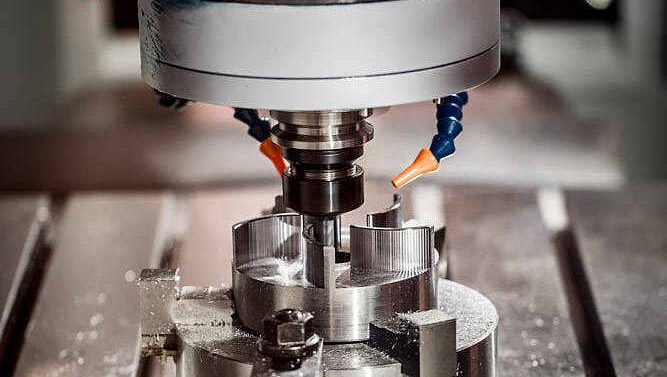
OEM, ODM, and JDM in Modern Manufacturing
In today's global manufacturing landscape, the relationships between designers, technical developers, and production partners are ...
Development Trends and Innovations of Precision Machining Tools
In the unremitting pursuit of higher precision, superior surface finish, and more efficient machining of increasingly complex mate...
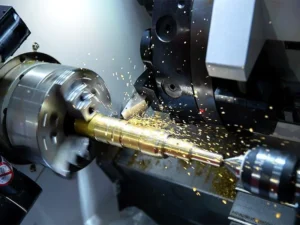
Datum in Geometric Dimensioning and Tolerancing
Geometric Dimensioning and Tolerancing (GD&T) is a crucial tool in the engineering field. It ensures that the assembly and fun...
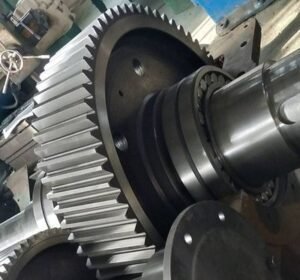
CNC Precision Machining for Automotive Industry: Driving Safety, Efficiency & Electrification
The automotive industry is undergoing a profound transformation, with a dual focus on enhancing driving safety, improving fuel eff...
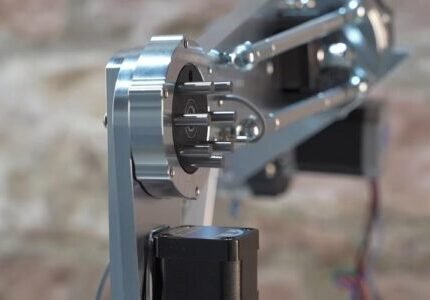
CNC Precision Machining for Robotics Manufacturing: Powering High-Accuracy Motion & Reliability
The robotics industry is evolving at a rapid pace, with demands for greater precision, flexibility, and durability across industri...

CNC Precision Machining for Energy Equipment Industry: Powering Reliable & Efficient Energy Solutions
The global energy transition, coupled with the demand for stable, efficient energy supply, has raised unprecedented standards for ...
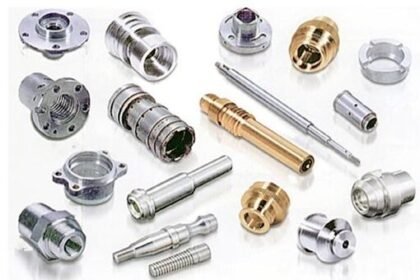
CNC Machining in the Electronics & Telecommunications Industry: Precision for Connected Technologies
The electronics & telecommunications industry is driven by relentless innovation toward miniaturization, high performance, and...