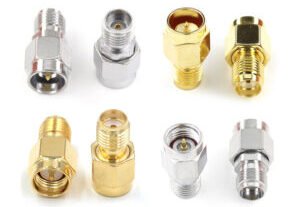
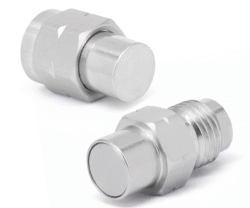
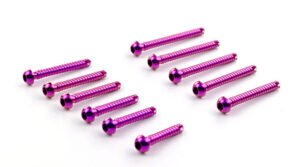
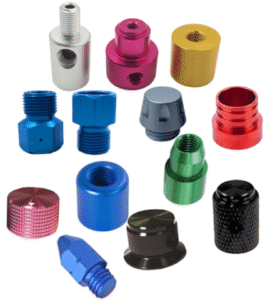
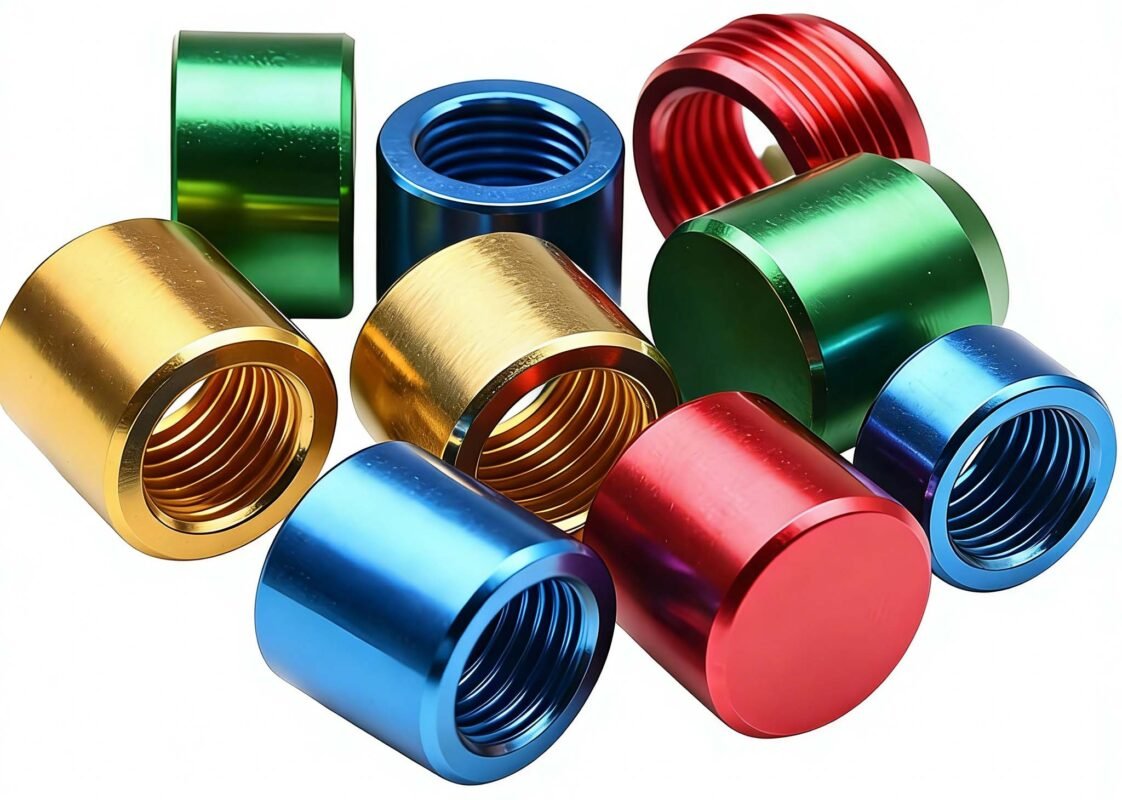
CNC precision machining lays the groundwork for high-accuracy, complex metal components across industries, but to unlock enhanced functionality, durability, and performance, a critical post-processing step—electroplating—often follows. As an electrolytic deposition process, electroplating coats the CNC-machined surface with a thin layer of metal (e.g., nickel, chrome, gold, silver, zinc) to improve properties like corrosion resistance, conductivity, wear resistance, and aesthetics. This blog explores the symbiotic relationship between CNC precision machining and post-processing electroplating, core benefits, key process considerations, typical applications, and rigorous quality assurance standards that define this essential manufacturing combination.
Why Electroplating Is Critical After CNC Precision Machining
CNC precision machining delivers tight tolerances and intricate geometries, but the inherent properties of base metals (e.g., steel, copper, aluminum) often fall short of the demands of harsh or high-performance environments. Electroplating complements CNC machining by addressing these limitations, offering four core value propositions:
Superior Corrosion Resistance: Plating layers (e.g., zinc, nickel, chrome) act as a protective barrier against moisture, chemicals, salt spray, and industrial contaminants. For CNC-machined components exposed to outdoor or corrosive environments, electroplating extends service life by 5-10 times compared to unplated parts.
Enhanced Functional Properties: Electroplating can tailor surface properties to specific needs—gold or silver plating boosts electrical conductivity (ideal for electronic components), hard chrome plating improves wear resistance (critical for moving parts), and tin plating enables solderability. These enhancements expand the functionality of CNC-machined parts beyond their base metal capabilities.
Preservation of CNC Machining Precision: Advanced electroplating processes deposit thin, uniform layers (typically 0.1-20μm) that maintain the tight tolerances (±0.001mm) achieved by CNC machining. Precise process control ensures the plating layer does not distort the component’s geometry or compromise fit during assembly.
Versatile Aesthetics & Branding: Electroplating offers a range of decorative finishes (e.g., bright chrome, satin nickel, gold plating) for consumer-facing or high-end industrial components. This combines functional protection with visual appeal, supporting branding and product differentiation.
Key Process Considerations for Electroplating CNC Precision Machined Parts
To maximize the benefits of electroplating without compromising the precision of CNC-machined components, careful process planning and strict control are essential. Four critical considerations define successful integration:
1. Pre-Electroplating Surface Preparation
CNC-machined parts require meticulous surface preparation to ensure strong adhesion of the plating layer. This includes degreasing (to remove machining oils and coolants), acid pickling (to eliminate oxide layers and impurities), and thorough rinsing. For ultra-precision parts, micro-deburring (to remove tiny burrs from CNC machining) is also critical—even minor surface irregularities can cause plating defects. The surface roughness (Ra) of the CNC-machined part should be controlled to ≤0.05μm for optimal plating uniformity.
2. Matching Plating Materials to CNC Machined Substrates & Applications
The choice of plating material depends on the base metal of the CNC-machined part and its end-use requirements. Common pairings include: - Steel CNC parts (automotive/chassis components): Zinc plating for corrosion resistance, hard chrome plating for wear resistance. - Copper CNC parts (electronic connectors): Gold or silver plating for enhanced conductivity, nickel plating for undercoat protection. - Aluminum CNC parts (aerospace components): Chromium or nickel plating (after zincate treatment) for corrosion and wear resistance.
3. Dimensional Precision Control During Electroplating
Electroplating adds a thin layer to the CNC-machined surface, which can affect tight tolerances. Manufacturers must calculate the plating thickness (e.g., 0.5-2μm for decorative plating, 5-20μm for hard chrome) and pre-adjust the CNC machining dimensions accordingly. For example, a CNC-machined hole with a target diameter of 10.000mm may be machined to 9.996mm before a 2μm nickel plating, ensuring the final dimension meets specifications.
4. Electroplating Parameter Optimization
Electroplating parameters (current density, electrolyte temperature, deposition time) must be precisely controlled to ensure uniform plating thickness and consistent properties. For CNC-machined parts with complex geometries (e.g., internal cavities, thin walls), specialized techniques like pulse plating or rack design optimization are used to avoid uneven plating—critical for maintaining the part’s functional performance.
Typical Applications of Electroplated CNC Precision Machined Parts
The combination of CNC precision machining and electroplating is widely adopted across industries where precision, durability, and tailored functionality are non-negotiable. Key applications include:
1. Automotive Industry
Representative Products: CNC-machined engine valves, transmission gears, brake components, fasteners, and electrical connectors. Key Benefits: Zinc plating for corrosion resistance against road salt; hard chrome plating for wear resistance of moving parts; copper plating for electrical conductivity in automotive electronics.
2. Electronics & Telecommunications
Representative Products: CNC-machined connector pins, sensor housings, 5G antenna components, and printed circuit board (PCB) contacts. Key Benefits: Gold/silver plating for high conductivity and signal integrity; nickel plating for corrosion protection and solderability; electromagnetic shielding via specialized plating layers.
3. Aerospace & Defense
Representative Products: CNC-machined hydraulic system components, avionic connectors, landing gear parts, and missile guidance components. Key Benefits: Chromium/nickel plating for extreme corrosion resistance (humidity, temperature fluctuations); hard plating for wear resistance in high-stress applications; traceable plating processes for military compliance.
4. Medical Industry
Representative Products: CNC-machined surgical instruments, implantable components (e.g., orthopedic screws), and medical device housings. Key Benefits: Titanium nitride plating for biocompatibility and wear resistance; electroless nickel plating for corrosion resistance in sterile environments; smooth plating surfaces to prevent bacterial adhesion.
5. Industrial Machinery & Robotics
Representative Products: CNC-machined gear shafts, linear guide rails, robot joint components, and tooling. Key Benefits: Hard chrome plating for abrasion resistance in repetitive motion; nickel plating for corrosion resistance in industrial environments; molybdenum disulfide-impregnated plating for low-friction performance.
Quality Control & Standards for Electroplated CNC Precision Parts
Success in combining CNC precision machining and electroplating relies on rigorous quality control to ensure both dimensional accuracy and plating performance. Key standards and testing methods include:
Standards Compliance: Adherence to industry standards such as ISO 4527 (zinc plating), ASTM B117 (salt spray testing), MIL-SPEC (military plating requirements), and IATF 16949 (automotive quality management).
Plating Performance Testing: Thickness measurement (via eddy current or X-ray fluorescence), adhesion testing (tape test, bend test), corrosion resistance testing (salt spray test ≥1000 hours for aerospace/automotive parts), and hardness testing (Vickers hardness for hard plating).
Dimensional Verification: Post-electroplating inspection via CMM (Coordinate Measuring Machine) to confirm tolerances are maintained, ensuring compatibility with assembly requirements.
Surface Quality Inspection: Visual inspection for defects (pinholes, uneven plating, discoloration) and surface roughness measurement (Ra ≤0.05μm) to ensure consistent performance and aesthetics.
Conclusion
Electroplating after CNC precision machining is a strategic post-processing step that transforms high-accuracy components into high-performance solutions tailored to industry-specific demands. By combining the geometric precision of CNC machining with the functional enhancements of electroplating, manufacturers can deliver parts that excel in corrosion resistance, wear resistance, conductivity, and aesthetics. As industries evolve toward more demanding operating environments and complex designs, the synergy between these two technologies will remain a cornerstone of advanced manufacturing.
For custom CNC precision machining and electroplating solutions (e.g., automotive, electronic, aerospace, medical components), we provide tailored processes covering material selection, machining precision control, and electroplating parameter optimization. Contact us to discuss your project requirements.