Blog
The Critical Importance of Quality Control (QC) in Precision Machining


Precision machining demands uncompromising accuracy—tolerances as tight as ±0.001mm and consistent performance. In aerospace, medical, automotive, and electronics industries, even minor deviations can cause catastrophic failures, costly rework, or reputational damage. Quality Control (QC), far from a final formality, is an end-to-end process that safeguards precision, cuts waste, ensures compliance, and drives success. Below is why QC is non-negotiable in precision machining.
1. Guarantees Compliance with Tight Precision Standards
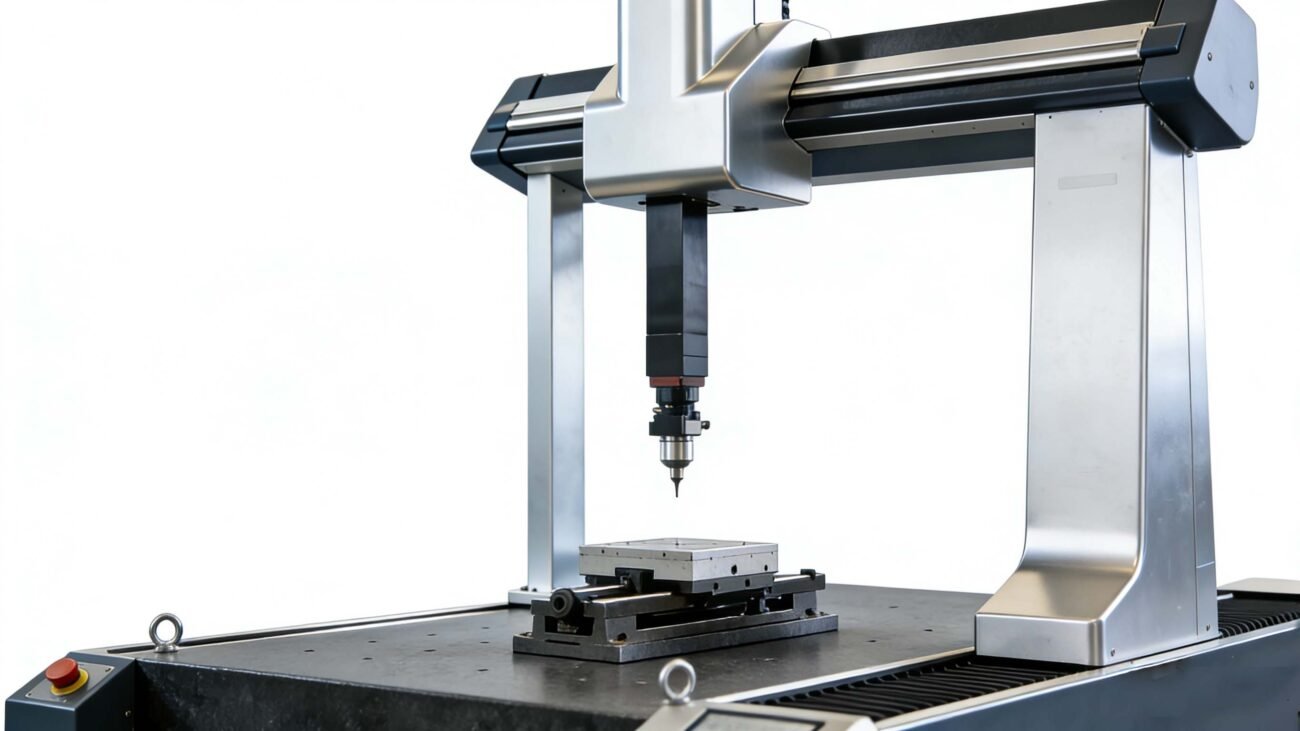
The core goal of precision machining is meeting exact design specs for mission-critical parts. QC validates every critical dimension against Geometric Dimensioning and Tolerancing (GD&T) requirements using advanced tools like Coordinate Measuring Machines (CMMs), laser scanners, and in-process probing. These tools provide objective data to confirm compliance, offsetting errors from tool wear, material variations, or environmental factors.
2. Reduces Waste and Production Costs
Precision machining relies on expensive materials (titanium, PEEK, high-grade stainless steel), making waste costly. In-process QC catches errors early—e.g., verifying features mid-machining—allowing immediate adjustments to avoid defective batches. This proactive approach cuts scrap rates, eliminates rework, and optimizes resources, reducing overall production costs by 15-25%.
3. Ensures Regulatory Compliance
Regulated industries (aerospace: AS9100; medical: ISO 13485; automotive: IATF 16949) mandate strict quality and traceability. QC provides documented evidence of part quality, from raw material to final product. This traceability is critical for compliance, avoiding fines, recalls, or loss of operational certification.
4. Protects Brand Reputation and Customer Trust
Customers in precision machining rely on suppliers for trustworthy parts. Defective batches can disrupt production, delay launches, or damage customer reputations. Rigorous QC ensures every shipped part meets expectations, building long-term trust—a key differentiator in competitive markets.
5. Drives Continuous Process Improvement
QC isn’t just about catching defects; it uses data to identify root causes (e.g., tool wear, material inconsistencies). Analyzing this data optimizes cutting parameters, tooling, or fixturing, improving quality and efficiency. It also informs Design for Manufacturing (DFM) collaborations to enhance part manufacturability.
QC in Critical Industries
QC is indispensable in high-stakes sectors: Aerospace (verifying turbine blades and airframe parts); Medical (ensuring implant biocompatibility and accuracy); Automotive (validating safety sensors and transmission components); Electronics (confirming miniaturized component performance).
Conclusion: QC Is an Investment, Not a Cost
Cutting corners on QC leads to long-term risks. Effective QC is an investment that guarantees precision, reduces waste, ensures compliance, builds trust, and drives improvement. Integrating QC into every production stage is key to excelling in precision machining.
At Zomwave, QC is embedded in every step of our precision machining process. Our ISO 9001, AS9100, and ISO 13485-certified lab uses advanced CMMs and in-process probing to meet your exact specs. Upload your 2D/3D drawings for a free quality-focused evaluation and quotation—let us protect your project and reputation.